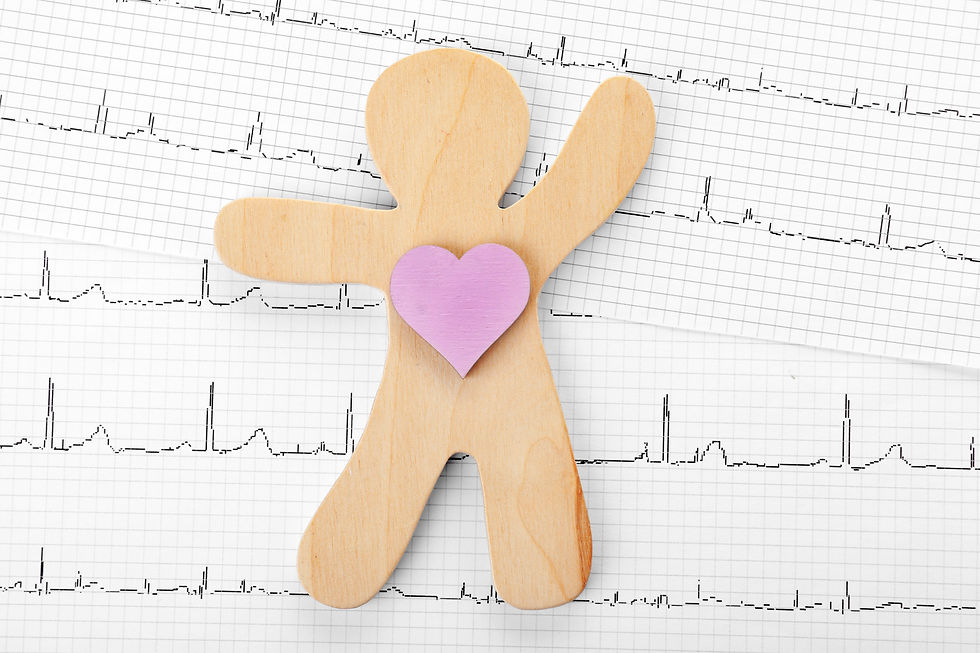
What Is Postural Orthostatic Tachycardia Syndrome (POTS)?


Imagine standing up after sitting on the couch and suddenly feeling like your heart is racing, your vision is fuzzy, and the room is spinning. For most people, that dizzy feeling goes away quickly. But for someone living with Postural Orthostatic Tachycardia Syndrome (POTS), this sensation can be daily—and often debilitating.
POTS is a condition that affects how the body responds to changes in posture, particularly when moving from lying down or sitting to standing. It can cause a rapid increase in heart rate and trigger a wide range of symptoms that impact work, school, and daily activities. Despite being relatively common, POTS is often misunderstood, leaving people feeling frustrated, isolated, and unsure where to turn.
What Does POTS Feel Like?
People with POTS describe their symptoms in many ways. Some feel dizzy or lightheaded every time they stand. Others notice extreme fatigue that doesn’t improve after a good night’s sleep. Brain fog, shortness of breath, headaches, and heart palpitations are also common.
Here’s a glimpse into the day-to-day experience of someone with POTS:
“I’ll be getting ready for work, and the simple act of standing up from the bed makes my heart race like I just ran a marathon. Some mornings, I have to sit back down for 20 minutes before I can even brush my teeth. It’s exhausting, and no one around me seems to understand why this keeps happening.”
Other symptoms may include feeling faint, cold hands and feet, changes in skin color, or intolerance to exercise. A key point is that these symptoms often improve when lying down, which is one of the hallmarks of POTS.
Why Does POTS Happen?
To understand POTS, it helps to think of the body like a finely tuned orchestra. When you stand, your body automatically adjusts blood flow and heart rate to ensure your brain gets enough oxygen. In POTS, this coordination is off. Blood can pool in the lower body, and the heart compensates by racing faster than normal.
Several factors may contribute to this imbalance:
Prolonged inactivity or deconditioning – Periods of illness or low activity can make it harder for the body to regulate blood flow.
Post-viral or infection-related changes – Some people notice POTS symptoms after a viral infection or illness.
Hormonal or autoimmune influences – Changes in hormones or immune function can play a role.
Poor coordination between systems – The body may struggle to maintain balance between heart rate, blood pressure, and blood flow.
Rather than being caused by a single issue, POTS usually arises when multiple systems are not working together optimally. That’s why symptoms vary so widely from person to person.
How POTS Is Evaluated
Identifying POTS is more than just measuring heart rate. It requires careful observation of how the body reacts to movement and posture. Tests often monitor changes in heart rate and blood pressure while lying down, sitting, and standing. Other assessments look at balance, endurance, and the body’s ability to regulate blood flow under stress.
A thorough evaluation is critical because it allows treatment to be tailored to the individual rather than simply masking symptoms. Understanding how the body responds to daily activities is the first step toward helping it work better.
A Different Approach to Managing POTS
Traditional treatments often focus on medications to manage symptoms, but many people see better results with a more comprehensive approach. Instead of only trying to reduce heart rate or dizziness, care focuses on helping the body regain its ability to self-regulate.
This involves:
Targeted movement and balance exercises – Gentle, progressive exercises help the body relearn how to handle upright posture and improve circulation.
Gradual reconditioning – Slowly increasing tolerance to standing and activity can reduce symptoms over time.
Lifestyle adjustments – Hydration, nutrition, and sleep strategies are personalized to support daily function.
Ongoing monitoring and adaptation – Every patient responds differently, so care is adjusted to meet individual needs.
By supporting the body’s natural ability to regulate itself, many people notice fewer symptoms, increased energy, and a better overall quality of life.
If you want to see what this kind of approach can achieve, check out this inspiring POTS and Dizziness success story from one of our patients. It shows how targeted strategies can make a real difference in everyday life.
Living With POTS
Living with POTS can be overwhelming. Symptoms are often unpredictable, making it hard to plan your day, work, school, or social activities. Many people describe feeling frustrated, misunderstood, or even guilty for needing to slow down.
The emotional impact is just as real as the physical. Anxiety, depression, and isolation are common in people struggling with chronic symptoms. That’s why care isn’t just about addressing the body—it’s also about empowering patients, providing tools to manage symptoms, and helping them regain confidence in their daily lives.
Small victories matter: standing longer without dizziness, completing a short walk without exhaustion, or being able to focus in class or at work. These milestones are signs that the body is learning to regulate itself more effectively.
Why Early Intervention Matters
The sooner POTS is addressed, the easier it is to improve symptoms and quality of life. Left unaddressed, the body can decondition further, making daily activities increasingly difficult. Early evaluation allows for a tailored plan that gradually strengthens the body’s regulation, improving heart rate control, blood flow, and overall endurance.
Even small, consistent steps can make a big difference. Many patients find that with the right strategies, their energy levels improve, dizziness decreases, and they can participate more fully in life.
Moving Forward With Confidence
If you or a loved one experiences unexplained dizziness, rapid heart rate when standing, fatigue, or other POTS-related symptoms, you’re not alone. The key is understanding how your body responds and finding strategies to help it function better.
Through a personalized, step-by-step approach, many people with POTS are able to regain independence, reduce symptoms, and improve overall well-being. It’s not about masking the problem—it’s about helping the body recover and work as it was designed to.
Living with POTS is challenging, but improvement is possible. With guidance, patience, and targeted support, the body can become more stable, resilient, and capable of handling the demands of everyday life.
To learn more about real-life success with POTS, watch the story of a patient who regained control over her symptoms on our Success Stories page. It’s a reminder that recovery is possible and that life with POTS can improve with the right approach.