
Step-by-Step Guide to Brain Injury Recovery Programs
- Functional Neurology Brain Center Of Florida

- Apr 17
- 3 min read
Updated: Apr 20
Recovering from a brain injury is rarely a straightforward path. Whether the injury comes from a concussion, accident, stroke, or other neurological event, the healing process requires structure, patience, and a well-designed rehabilitation plan. Modern brain injury recovery programs for long-term neurological rehabilitation focus on restoring function step by step rather than rushing recovery.
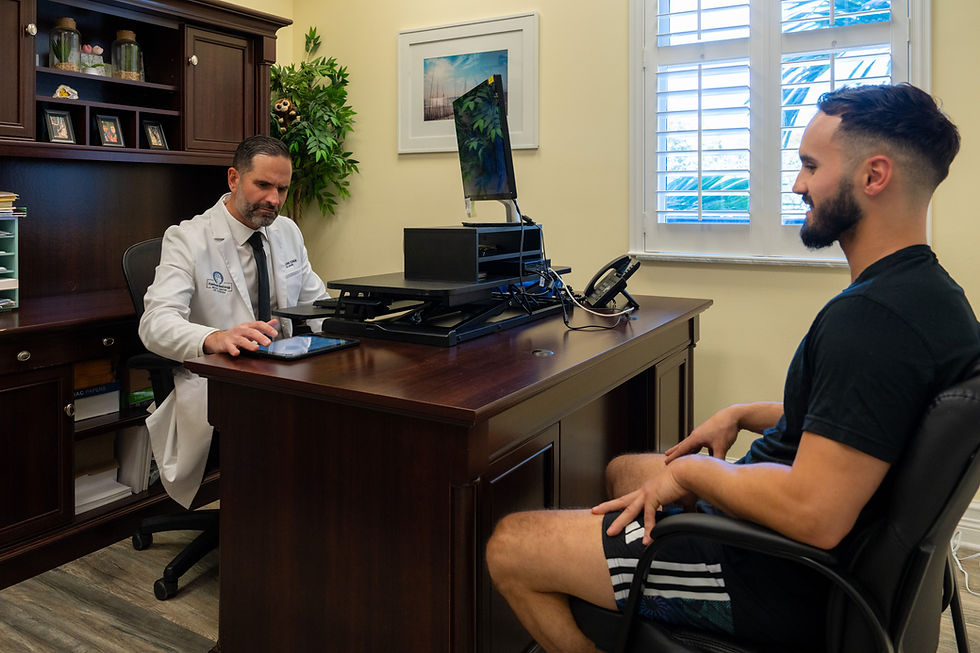
This guide breaks down how a structured recovery process typically works and what individuals can expect when following a comprehensive neurological rehabilitation approach.
Step 1: Understanding the Full Impact of the Brain Injury
The first step in any traumatic brain injury recovery program for cognitive and physical rehabilitation is gaining a clear understanding of how the injury has affected the brain.
Brain injuries often impact more than one system. Patients may experience:
difficulty concentrating or memory issues
dizziness or balance problems
headaches and sensory sensitivity
slowed thinking or processing speed
fatigue that worsens with mental effort
Because symptoms can vary widely, a full functional evaluation helps establish a starting point for recovery.
Step 2: Comprehensive Functional Assessment
Before treatment begins, a detailed assessment is needed to identify which neurological systems are underperforming.
This may include evaluating:
eye movement coordination and visual tracking
balance and vestibular function
reflex responses and motor control
cognitive processing speed
sensory integration between brain and body
This step is critical in personalized brain injury rehabilitation programs designed to improve neurofunctional performance because no two brain injuries are exactly the same.
Step 3: Creating a Personalized Recovery Plan
Once the assessment is complete, a structured plan is developed based on the patient’s specific needs.
A strong functional neurology-based brain injury recovery plan typically includes:
targeted neurological exercises
balance and coordination training
vision and eye-movement therapy
cognitive stimulation activities
gradual physical reconditioning
The goal is not just symptom relief, but rebuilding communication pathways within the brain.
Step 4: Activating Neuroplasticity Through Targeted Therapy
One of the most important parts of recovery is stimulating neuroplasticity—the brain’s ability to reorganize and form new connections.
In step-by-step neuroplasticity-based brain injury recovery programs, therapy is designed to repeatedly challenge weakened pathways so the brain can adapt.
Common techniques include:
repetitive balance and movement exercises
sensory re-education drills
coordination-based tasks
visual and auditory integration exercises
Over time, these targeted activities help the brain “relearn” lost or weakened functions.
Step 5: Rebuilding Coordination Between Brain and Body
As progress develops, therapy shifts toward integrating multiple systems at once.
This stage of brain injury rehabilitation for restoring neurological coordination and balance focuses on real-world functionality, such as:
walking while maintaining visual focus
improving reaction time and motor response
coordinating movement under cognitive load
stabilizing posture and spatial awareness
This is where patients often begin noticing meaningful improvements in daily activities.
Step 6: Cognitive and Emotional Recovery Support
Brain injuries can affect thinking, mood, and emotional regulation just as much as physical ability.
A complete cognitive rehabilitation program after brain injury may include:
memory strengthening exercises
attention and focus training
problem-solving and reasoning tasks
stress and emotional regulation techniques
Supporting mental recovery is essential for long-term independence and quality of life.
Step 7: Long-Term Maintenance and Brain Function Optimization
Even after major improvements occur, continued care helps maintain progress and prevent regression.
Long-term neurological maintenance programs after brain injury recovery may include:
periodic reassessments
advanced cognitive training
balance and coordination reinforcement
lifestyle adjustments to support brain health
This final stage is about strengthening resilience and optimizing overall brain performance.
Why Structured Brain Injury Recovery Programs Matter
Without a step-by-step approach, recovery can feel unpredictable or incomplete. Structured programs ensure that each stage of healing builds on the previous one, allowing the brain to adapt gradually and effectively.
The most successful outcomes typically come from personalized, neuroplasticity-driven brain injury rehabilitation programs that address both physical and cognitive function together.
Final Thoughts
Brain injury recovery takes time, consistency, and the right strategy. By following a structured, step-by-step process—from assessment to long-term maintenance—individuals have a better chance of restoring function and improving quality of life.
For those exploring advanced neurological rehabilitation options, understanding this structured approach is the first step toward meaningful and lasting recovery.


